
Companies spend money on team-building for a reason: they know that teams that are connected, that trust each other, that have shared experiences, perform better. They communicate better. They collaborate better. They stick around longer.
But here’s the problem: most team-building activities fall flat. Trust falls. Scavenger hunts. Awkward icebreakers. People participate because they have to, not because they want to.
And then there’s entertainment. Real, engaging, interactive entertainment. That’s where team-building actually happens—and most companies aren’t thinking about it that way.

The Real ROI of Team-Building
Let’s be clear on what we mean by team-building ROI. It’s not about forcing people to like each other. It’s about:
Creating shared experiences that people actually remember. When a team has shared memories—good ones—they bond differently. Inside jokes. Moments of laughter. Moments where they felt a real connection.
Building psychological safety. When people feel comfortable, when they’re invited to be part of something, when they’re not worried about being embarrassed or put on the spot, they open up. That’s when real team culture happens.
Improving communication. A team that laughs together, that’s experienced something surprising together, that’s had real moments of connection, communicates more openly. They’re more likely to speak up in meetings. More likely to help each other.
Boosting morale. People want to feel like they matter. Like their company invests in them. Like work isn’t just work. A well-executed team event sends a signal: “We value you. We want you to be happy here.”
Most team-building activities try to hit those goals but fail because they feel forced or uncomfortable. Entertainment can actually deliver on them—but only if it’s the right kind of entertainment.

Why Traditional Team-Building Falls Flat
Before we talk about what works, let’s be honest about what doesn’t:
Forced fun. Anything that feels mandatory and awkward. People see through it. They resent it. A trust fall where your coworkers have to catch you? That’s anxiety, not bonding.
Competitive activities where there are clear winners and losers. Yes, some people like competition. But in a team setting, when one team wins and another loses, you often end up with hurt feelings, not camaraderie.
Activities where people feel like they might be embarrassed. Anything where people are worried they’ll look stupid or be singled out in an uncomfortable way? People shut down. They don’t bond.
Passive entertainment. Watching something happen isn’t team-building. It’s just downtime. Real team-building requires participation.
Activities that don’t fit your team’s personality. A yoga session for a sales team that thrives on high energy and competition? That’s not going to land. A trust exercise for a team that’s already awkward with each other? That’s going to make it worse.

What Actually Works
Good team-building entertainment does something different:
It involves everyone. Not everyone on stage at once, but everyone has a chance to participate, to laugh, to be part of the experience. People who sit passively don’t bond.
It creates moments of genuine surprise or delight. When something unexpected happens—when something seems impossible and then happens anyway—people remember it. They talk about it. That’s the memory that sticks.
It’s inclusive, not exclusive. Nobody should feel left out or embarrassed. The goal is “everyone walks away feeling like they were part of something cool,” not “some people had fun and others felt awkward.”
It’s appropriate for your team. A comedy act that’s too edgy for a conservative company doesn’t work. A mentalist act that involves mindreading and audience participation works across different company cultures because it’s about amazement and connection, not edge.
It creates a shared story. After the experience, your team has something to talk about. “Did you see when [performer] called up Sarah and read her mind?” That’s the conversation that builds team cohesion.
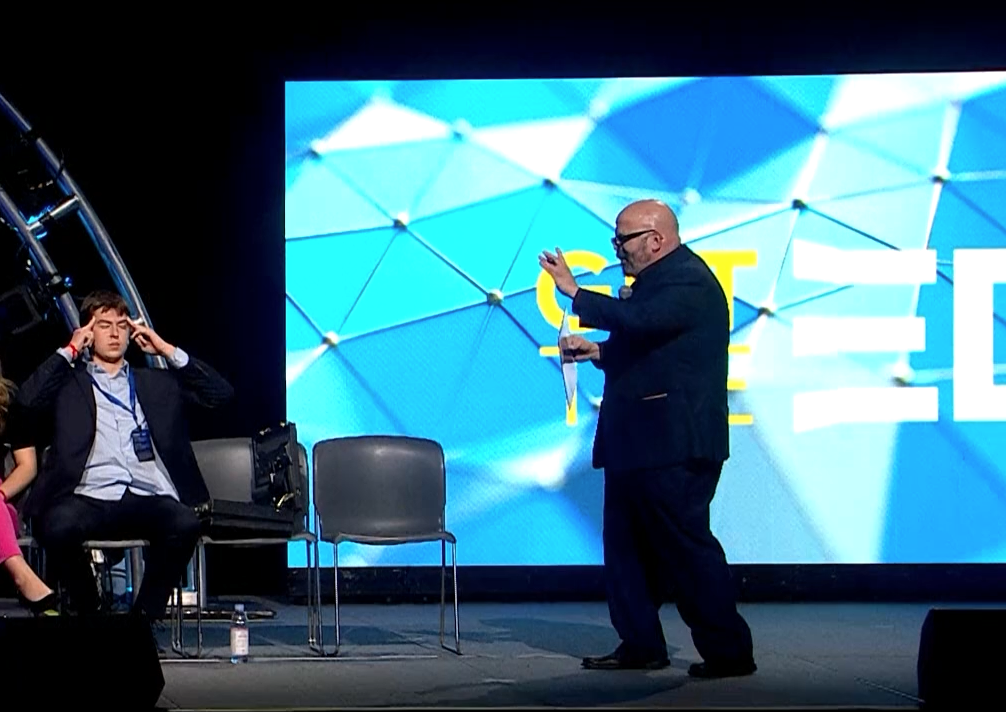
Mentalism as Team-Building
Here’s why interactive mentalism works particularly well for team-building:
It’s unexpected. Most people have never experienced a real mentalist. That novelty creates engagement.
It’s participatory. People from your team get involved. They become part of the show, not observers.
It’s positive. Nobody’s competing against each other. Nobody’s being put down or embarrassed. Everyone’s amazed together.
It creates a shared experience. Your team walks away with stories. “That was wild. Did you see what happened with [coworker]?”
It breaks down barriers. In a normal workday, people stay in their lanes. A mentalist act where your CFO is called up and has their mind read, where your operations manager is amazed along with the interns? That creates moments of connection across hierarchies.
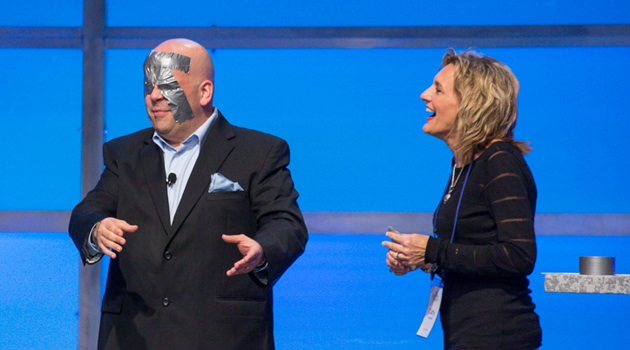
The Practical Benefits
So what actually happens after good team-building entertainment?
Communication improves. People feel more comfortable with each other. They’re more likely to speak up in meetings, to share ideas, to ask for help.
Retention goes up. People want to work somewhere they feel connected. Somewhere they’ve had good experiences. A team that has good memories together sticks around.
Productivity increases. This might sound counterintuitive, but a team that’s bonded actually works better together. They’re more collaborative, less siloed, more willing to jump in and help.
Company culture strengthens. You’re sending a message: “We value you. We invest in creating good experiences. We want this to be a place worth working.” That message lands when the experience is genuine—not forced.
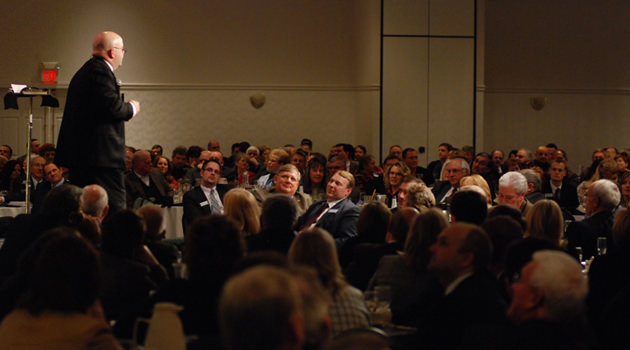
Making the Right Choice
When you’re choosing team-building entertainment, ask yourself: will people actually want to participate? Will everyone feel included? Will there be genuine moments of surprise or connection? Will people have a story to tell afterward?
If the answer to those questions is yes, you’ve found something worth booking. If you’re not sure, keep looking.
Interactive entertainment—particularly a mentalist who involves your team directly, creates moments of genuine amazement, and keeps everything positive and inclusive—hits every one of those marks. It’s not the only option, but it’s one that works consistently across different company cultures, team sizes, and event formats.
The Bottom Line
Team-building isn’t about forcing people to like each other. It’s about creating the conditions where genuine connection can happen. The right entertainment does exactly that—it creates shared moments, breaks down barriers, and gives your team something real to bond over.
If you’re planning your next corporate event and you want team-building that actually sticks, let’s talk about what will work for your specific team. Reach out—I’ve been creating those moments for companies across the country for over thirty years, and I’d love to help you build something your team will actually remember.