

Your sales team is the reason the rest of the company has a job. They’re the ones out there every day turning conversations into revenue, and yet when it comes to planning the annual sales conference, entertainment is often the first thing to get trimmed from the budget. That’s backwards. A motivated, energized sales team doesn’t just feel good walking out of a conference, they close more, they stay longer, and they carry that energy back to the field for months.
From Thirty People in Maui to Thousands in Dallas
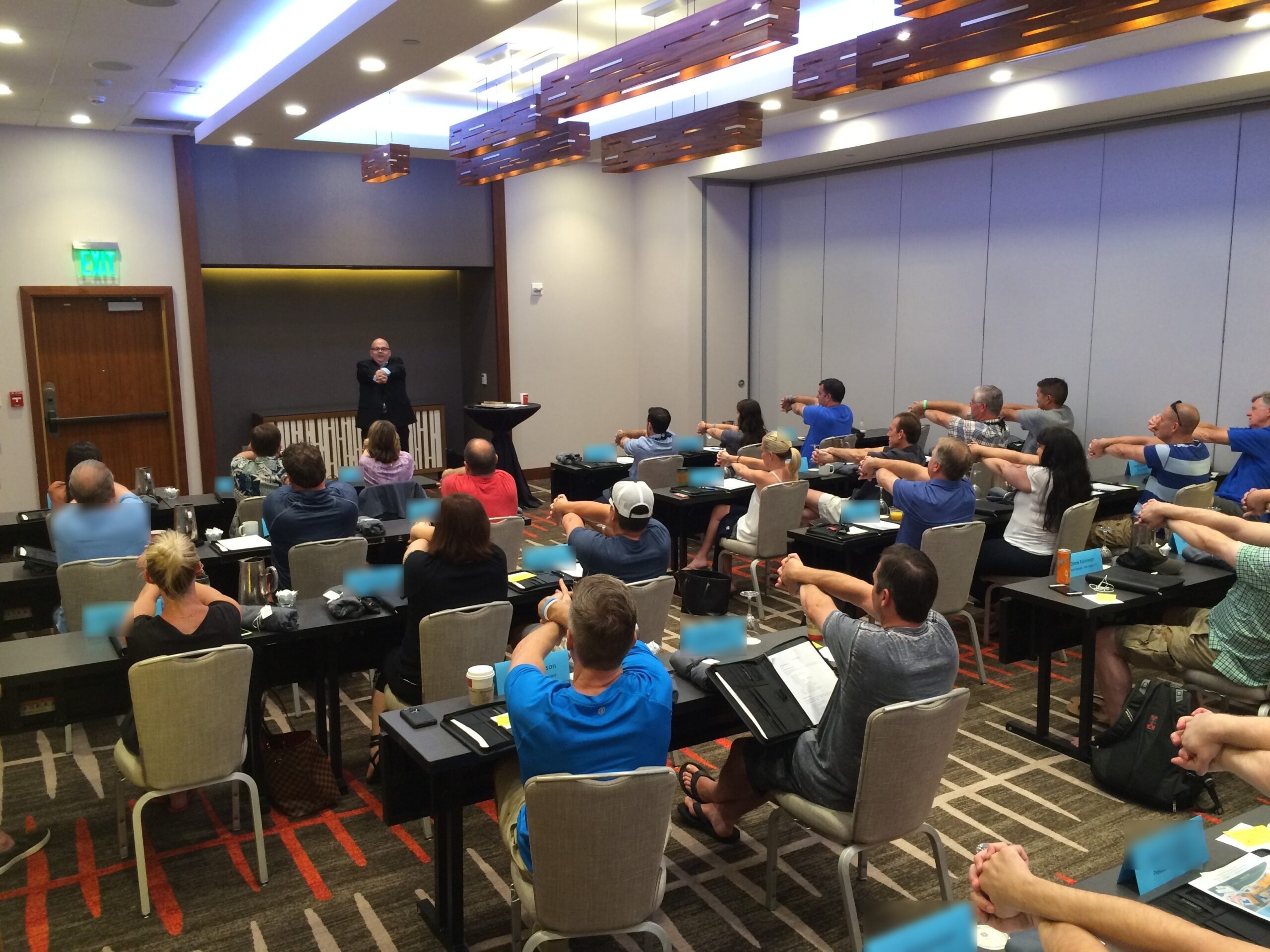
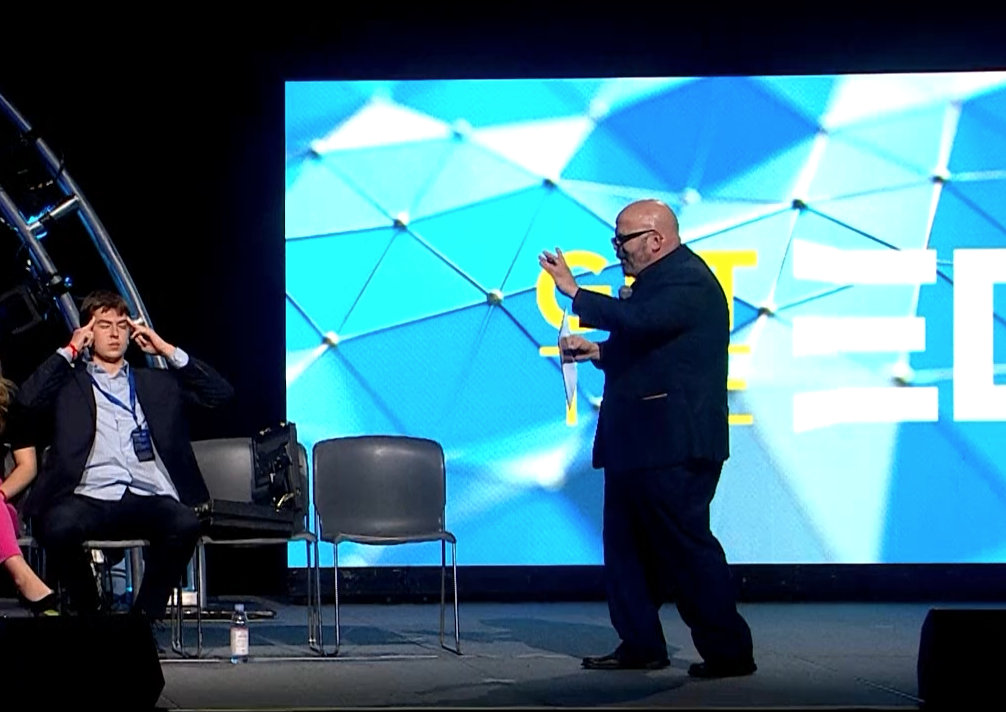
Mentalist and Mind Reader John Pullum has performed at sales conferences on both ends of the spectrum. He’s flown out to Maui for a group of about thirty people crammed into a small conference room, and he’s performed for hundreds, sometimes thousands, of sales reps in large conference centers in Dallas. He’s booked the same kind of show for sales teams gathering in Orlando around a theme park kickoff, and for a tech-heavy sales floor meeting in Chicago that wanted something sharper than the usual banquet speaker. The size of the room and the city on the itinerary change the logistics, but they don’t change what good sales conference entertainment actually needs to do. Whether it’s thirty people or three thousand, the goal is the same: get everyone leaning in, laughing, and feeling like this event was actually built for them.
Why Generic Entertainment Falls Flat
That last part matters more than people realize. A generic show that could be dropped into any company’s conference feels like exactly that, generic. John mixes genuine motivation into the mentalism, and in a lot of cases will tailor the show around a company’s specific sales goals for that year, weaving in language or themes that make it feel like it was built for that room, not recycled from the last one. That’s a very different thing from renting a comedian’s standard set or booking a motivational speaker who gives the same keynote in every city on their tour. Sales conference entertainment done well should feel like it was written for the people actually sitting in the room, not performed at them.
Entertainment as Part of the Message, Not a Break From It
That’s really the difference between entertainment as a break in the schedule and entertainment as part of the message. A sales conference is where a company sets the tone for the year ahead, the targets, the culture, the momentum going into the next quarter. Bringing in a mentalism show that plays into that message, rather than sitting apart from it, means the entertainment budget is doing double duty. People remember the show, and they remember why it mattered.
Small Room or Big Stage, Different Setup, Same Standard
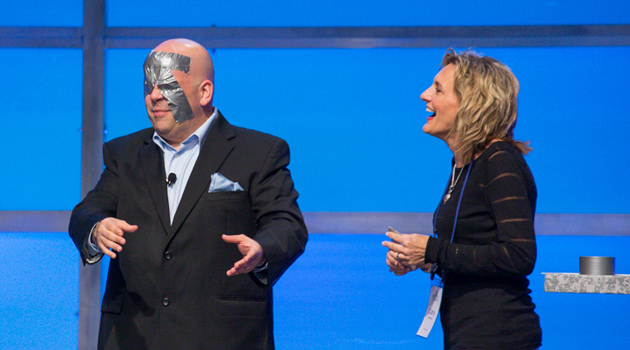
There’s also a practical side to this that planners don’t always think about upfront. A thirty-person group in a Maui conference room needs a completely different setup than a general session in front of a few thousand people in Dallas, different sound, different staging, different pacing for how the interactive parts of the show play out. Sales conference entertainment that only knows how to work one of those rooms is going to struggle in the other. Part of what makes a show worth the investment is an entertainer who’s actually done both, and who can walk into either setup without needing the room reshaped to fit the act.
None of this means every sales conference needs the biggest, splashiest show a budget can buy. It means the entertainment should get evaluated with the same seriousness as the keynote speaker or the venue, not treated as an afterthought once the “real” budget items are covered. A sales team that’s already out there absorbing rejection and hitting quotas all year deserves a conference that actually feels like an investment in them, not just a line item that got approved because someone expected it.
If you’re planning a sales conference, in Dallas, in Maui, in Orlando, in Chicago, or anywhere in between, the size of the room shouldn’t be the deciding factor in whether sales conference entertainment makes the cut. The impact on the room is the same either way. Click here to get in touch.